
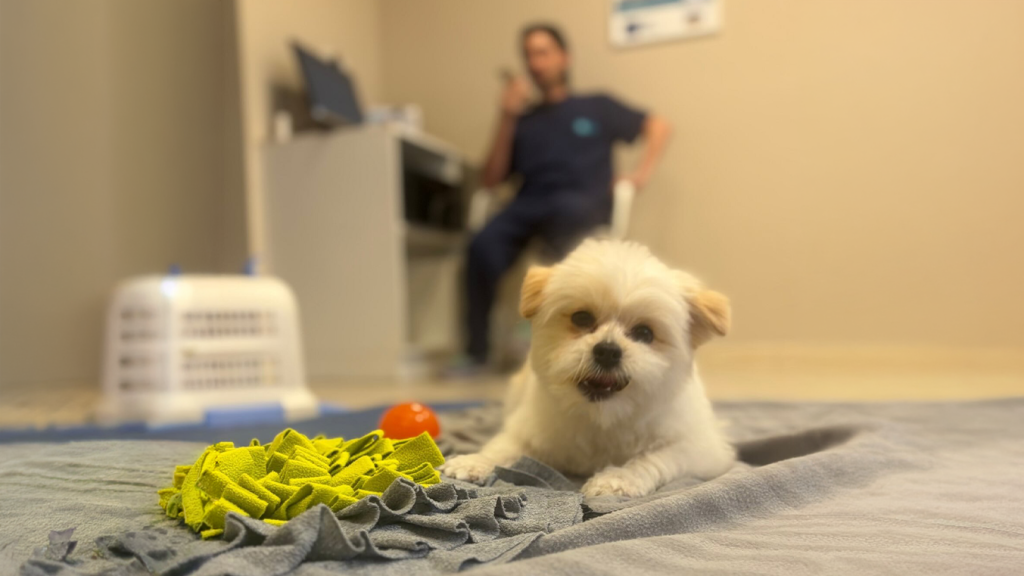
When Should You Vaccinate Your Pet? Vaccine Schedules for Cats and Dogs
One of the most common questions pet owners ask is when should you vaccinate your pet? The answer depends on your pet’s age, lifestyle, health, and even where you live. Vaccinations are one of the most effective ways to protect cats and dogs from serious infectious diseases, helping them stay healthy throughout every stage of life.
At German Veterinary Clinic, we know that every pet is unique. Whether you’ve just welcomed a playful puppy or kitten into your family or you’re caring for a senior companion, following the right vaccination schedule gives them the best possible start and ongoing protection. Here’s what every pet owner in Abu Dhabi should know about keeping vaccinations up to date.
Why Are Vaccinations So Important?
Vaccines prepare your pet’s immune system to recognise and fight certain infectious diseases before they become life-threatening. While some illnesses are now less common thanks to widespread vaccination, they can still be present in the environment or spread through contact with other animals.
Vaccinations don’t just protect your own pet—they also help reduce the spread of disease within the wider pet community.
Some diseases that vaccines help protect against include:
- Canine parvovirus
- Canine distemper
- Infectious hepatitis
- Rabies
- Feline panleukopenia
- Feline herpesvirus
- Feline calicivirus
Your veterinarian will recommend which vaccines are essential and which are lifestyle-based, depending on your pet’s individual risk factors.
Puppy and Kitten Vaccination Schedules
Young pets receive some immunity from their mother, but this protection gradually fades during the first few weeks of life. That’s why vaccinations are given as a series rather than a single injection.
Puppy Vaccination Schedule
Most puppies begin their vaccinations between 6 and 8 weeks of age, followed by additional doses every few weeks until approximately 16 weeks.
This schedule helps ensure puppies develop strong, lasting immunity during a vulnerable stage of life.
Kitten Vaccination Schedule
Kittens generally receive their first vaccinations at 8 to 9 weeks, followed by booster vaccinations a few weeks later.
Indoor cats may still require vaccinations because some viruses can be carried indoors on clothing, shoes, or other objects, while others can spread during unexpected escapes or veterinary visits.
Why Multiple Vaccinations Are Needed
A vaccination course isn’t repetitive—each dose builds upon the previous one. Completing the full schedule is essential to provide the best protection against preventable diseases.
Your veterinarian will also advise you when it’s safe for puppies to begin socialising and exploring new environments.
Do Adult Pets Need Booster Vaccinations?
Yes. Immunity doesn’t last forever, which is why booster vaccinations are an important part of lifelong preventive healthcare.
Annual Health Checks
Many booster vaccinations are given during your pet’s annual wellness examination. This allows your veterinarian to:
- Perform a complete physical examination
- Review your pet’s lifestyle and health changes
- Update any vaccinations that are due
- Discuss parasite prevention and nutrition
Factors That Affect Your Pet’s Vaccination Schedule
Every pet has different healthcare needs, so vaccination recommendations may vary.
Lifestyle
Pets that visit boarding facilities, grooming salons, dog parks, training classes, or travel frequently may benefit from additional protection compared with pets that spend most of their time at home.
Age and Health
Senior pets and those with certain medical conditions still require vaccination planning, but schedules may be adjusted to suit their overall health.
Living in Abu Dhabi
The warm climate means pets remain active throughout the year, increasing opportunities for interaction with other animals. Regular veterinary care and preventative healthcare help minimise the risk of infectious diseases within our local pet community.
Relocations
If you are planning to relocate anytime in the future, check the vaccine protocols sooner rather then later as different countries may have different requirements.
Making Vaccinations a Positive Experience
Many pets become anxious about veterinary visits, but vaccinations don’t have to be stressful.
A calm, positive experience can help your pet feel more comfortable during future appointments.
Some simple ways to reduce stress include:
- Bringing your pet hungry so treats can be used as positive rewards.
- Using a secure, comfortable carrier for cats.
- Remaining calm and relaxed during the visit.
- Allowing your pet time to explore the consultation room if appropriate.
- Rewarding them with praise, treats, or play after the appointment.
At German Veterinary Clinic, we aim to make every visit as gentle and positive as possible, helping pets build confidence while receiving the care they need.
Keeping Your Pet Protected for Life
Knowing when should you vaccinate your pet is only part of the picture. Staying on schedule with recommended vaccinations helps protect your pet from preventable diseases while supporting a long, healthy, and active life.
Whether you’ve recently welcomed a new puppy or kitten or want to ensure your adult pet’s vaccinations are up to date, regular veterinary guidance makes all the difference.
If you’re looking for vaccinations for pets in Abu Dhabi, our team is here to create a personalised vaccination plan tailored to your pet’s age, lifestyle, and individual needs.
Conclusion
Vaccinations remain one of the simplest and most effective ways to protect your pet throughout every stage of life. From puppy and kitten vaccination schedules to adult booster programmes, following a personalised plan helps safeguard your companion against preventable diseases while giving you peace of mind.
Want to help your pet stay healthy all year round? Explore more expert pet care advice on the German Veterinary Clinic blog, or speak with our team to discuss the best vaccination schedule for your cat or dog.