
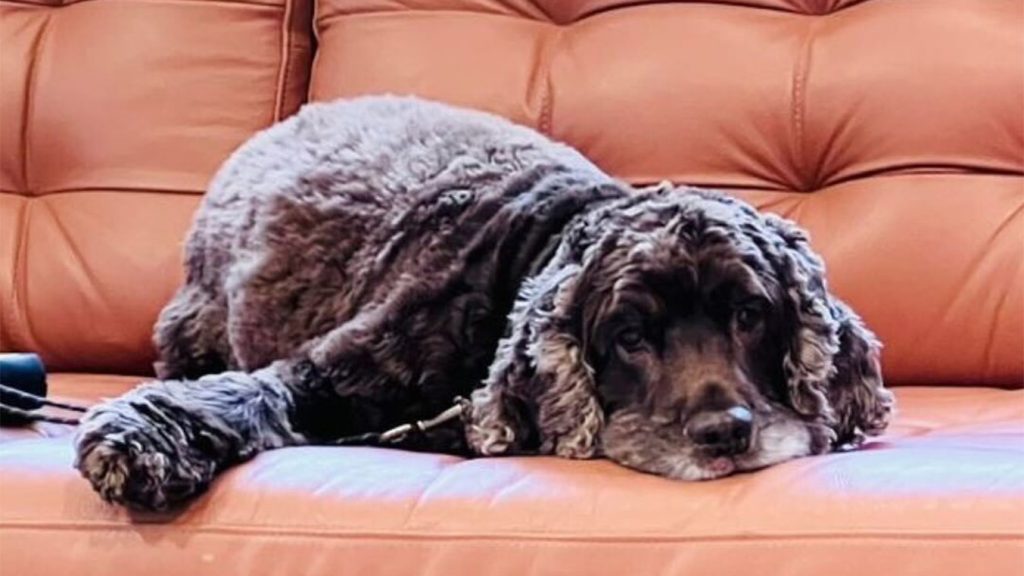
Why Pets Become Lazy in Summer Heat: Behavioural Changes Explained
If you’ve noticed your pet sleeping more, playing less, or seeming less enthusiastic about their usual activities, you may be wondering why pets become lazy in summer heat. While changes in behaviour can sometimes signal an underlying health concern, it is also normal for pets to adjust their activity levels in response to warmer temperatures.
In the UAE, where temperatures can remain high for much of the year, dogs and cats often modify their behaviour to conserve energy and avoid overheating. Understanding these seasonal changes can help pet owners distinguish between normal adaptations and signs that may require veterinary attention. By recognising what is expected and what is not, you can better support your pet’s physical and emotional wellbeing throughout the hotter months.
How Hot Weather Affects Pet Behaviour
Like humans, pets are influenced by their environment. High temperatures can have a direct impact on energy levels, activity patterns, and daily routines.
Conserving Energy Is a Natural Response
One of the main reasons why pets become lazy in summer heat is that reducing activity helps prevent overheating. Physical movement generates body heat, so many pets instinctively choose to rest more during warmer periods.
You may notice your pet:
- Sleeping for longer periods
- Seeking cool, shaded areas
- Playing less frequently
- Avoiding vigorous exercise
- Moving more slowly than usual
These behaviours are often normal adaptations that help maintain a safe body temperature.
Changes in Daily Activity Patterns
Many pets naturally shift their activity to cooler parts of the day. Dogs may become more energetic during early mornings and evenings, while cats may spend more time resting during the hottest hours before becoming active overnight.
This behavioural flexibility is an important survival strategy that allows pets to remain comfortable while avoiding excessive heat exposure.
When Reduced Activity Is Completely Normal
Not every change in behaviour should be a cause for concern.
Sleeping More During Summer
Healthy adult dogs and cats spend a significant portion of the day resting. During hotter weather, it is common for this resting time to increase.
As long as your pet remains:
- Alert when awake
- Interested in food
- Responsive to family members
- Comfortable moving around
An increase in sleep alone is usually not a sign of illness.
Seeking Cooler Spaces
Pets are remarkably skilled at finding ways to regulate their environment. You may notice them choosing tile floors, air-conditioned rooms, shaded corners, or elevated resting areas with better airflow.
These behaviours are typically healthy coping mechanisms rather than indicators of a problem.
When “Laziness” Could Indicate Something More
Although reduced activity can be normal, sudden or extreme behavioural changes should never be ignored.
Heat Stress and Dehydration
Pets experiencing heat stress often appear lethargic before more serious symptoms develop. What initially looks like tiredness may actually be the body’s response to overheating.
Warning signs include:
- Excessive panting
- Increased thirst
- Weakness
- Drooling
- Vomiting
- Difficulty breathing
If these signs occur alongside reduced activity, veterinary assessment is recommended promptly.
Pain or Underlying Medical Conditions
Arthritis, heart disease, respiratory conditions, obesity, and other medical issues can become more noticeable during warm weather. Pets with chronic discomfort may appear reluctant to move, especially when temperatures rise.
A pet that suddenly stops engaging in favourite activities, struggles to get up, or seems uncomfortable should be evaluated by a veterinarian.
Supporting Your Pet During Hot Weather
Helping your pet stay comfortable can improve both their physical health and emotional wellbeing.
Adjust Exercise Routines
Exercise remains important, but timing matters.
Consider:
- Walking dogs early in the morning
- Scheduling outdoor activities after sunset
- Avoiding hot pavement
- Taking shorter, more frequent walks
These simple adjustments can help prevent overheating while maintaining healthy activity levels.
Encourage Mental Enrichment
When outdoor exercise is limited, indoor enrichment becomes even more important.
Activities may include:
- Food puzzles
- Scent games
- Training sessions
- Interactive toys
- Short play sessions
Research in behavioural medicine shows that mental stimulation plays a valuable role in maintaining emotional wellbeing and reducing boredom-related behaviours.
Understanding Emotional Wellbeing During Summer
Behaviour is closely connected to both physical and emotional health.
Environmental Changes Can Affect Mood
During hotter months, pets may experience changes to their normal routines. Less outdoor time, reduced exercise opportunities, and alterations in family schedules can influence behaviour.
Some pets become quieter, while others may show signs of frustration, restlessness, or increased attention-seeking behaviours.
Recognising Individual Differences
Just like people, pets respond differently to seasonal changes. Some remain highly active despite warm weather, while others prefer a slower pace.
If you are concerned about changes in your pet’s behaviour, an experienced behavioral consultation can help identify whether environmental, emotional, or medical factors may be contributing to those changes.
Conclusion
Understanding why pets become lazy in summer heat can help pet owners distinguish between normal seasonal adaptations and signs that may require veterinary attention. Increased rest, reduced activity, and seeking cooler environments are often healthy responses to warm weather, particularly in the UAE climate.
However, sudden lethargy, excessive panting, weakness, or significant changes in behaviour should never be dismissed. At German Veterinary Clinic, we believe that behaviour is an important indicator of overall wellbeing. Paying attention to subtle changes can help ensure your pet remains healthy, comfortable, and happy throughout the summer months.
Concerned about changes in your pet’s behaviour or activity level? Contact German Veterinary Clinic to discuss your pet’s health, wellbeing, and behavioural needs with our experienced team.