
Signs Your Pet Needs a Vet in Summer: Early Warning Signs of Heat Stress and Dehydration
As temperatures rise, keeping pets properly hydrated becomes one of the most important aspects of summer care. These summer hydration tips for pets can help support their health, comfort, and wellbeing during hot weather, particularly in climates where high temperatures are a daily reality.
Water plays a vital role in regulating body temperature, supporting organ function, aiding digestion, and maintaining healthy circulation. While many pets can adapt to warmer conditions, dehydration can develop quickly if their water intake does not meet their needs. By establishing a few simple daily habits, pet owners can help ensure their companions stay hydrated and comfortable throughout the summer months.
Why Hydration Matters More During Summer
Pets naturally lose more water during hot weather through panting, respiration, and normal bodily functions. As temperatures increase, their hydration requirements often increase as well.
How Pets Regulate Body Temperature
Unlike humans, dogs and cats have limited ways to cool themselves. Dogs primarily rely on panting, while cats often seek cooler environments and reduce activity. Both methods can increase fluid loss, making adequate hydration essential.
The Risks of Dehydration
Even mild dehydration can affect a pet’s overall wellbeing. If left unaddressed, it may contribute to:
- Lethargy and weakness
- Reduced appetite
- Dry gums
- Increased heart rate
- Difficulty regulating body temperature
- Greater risk of heat-related illness
Recognising the importance of hydration is the first step in preventing these complications.
Make Fresh Water Easily Available
One of the simplest yet most effective ways to support hydration is ensuring pets always have access to clean, fresh water.
Place Multiple Water Stations Around the Home
Many pets are more likely to drink when water is readily available. Providing several water bowls throughout the home encourages regular drinking and makes hydration more convenient.
Refresh Water Frequently
Water can become warm and less appealing during hot weather. Replacing water regularly throughout the day helps keep it fresh and encourages increased consumption.
Choose Appropriate Water Bowls
Some cats prefer wide, shallow bowls that reduce whisker contact, while many dogs enjoy larger bowls that allow easy access. Understanding your pet’s preferences can make drinking more appealing.
Encourage Additional Water Intake
Some pets naturally drink less than they should, making it helpful to find safe ways to increase their overall fluid consumption.
Incorporate Moisture-Rich Foods
Wet food contains significantly more water than dry food and can contribute to daily hydration. For some pets, adding wet food to their diet during warmer months can help support adequate fluid intake.
Add Water to Meals
In consultation with your veterinary team, adding small amounts of water to suitable foods may increase moisture consumption while maintaining normal feeding routines.
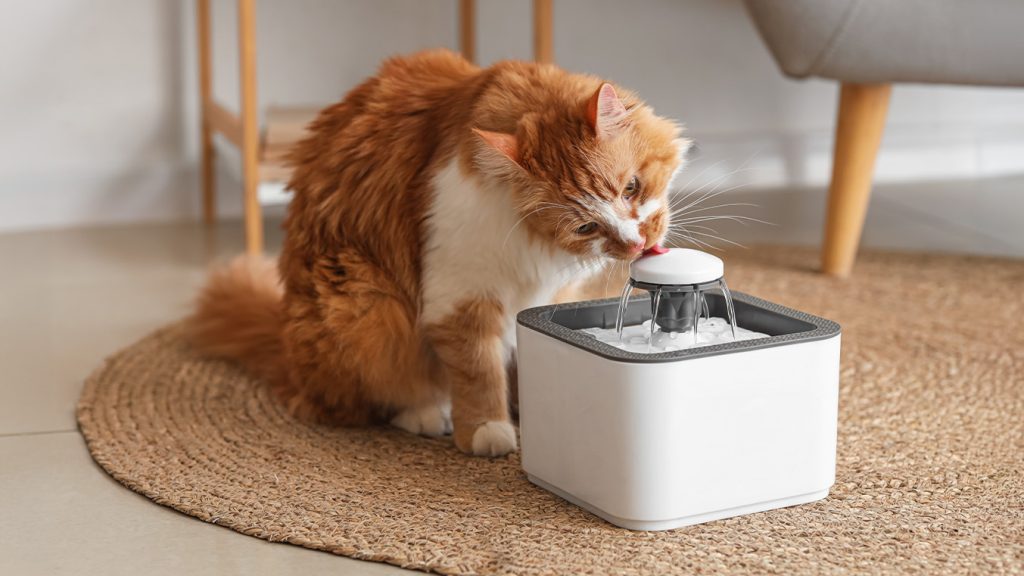
Consider Pet Water Fountains
Many cats are attracted to moving water. Pet water fountains can encourage more frequent drinking and may be particularly beneficial for cats that show limited interest in traditional water bowls.
Create a Cooler Environment
A comfortable environment can reduce excessive fluid loss and help pets maintain normal hydration levels.
Provide Access to Shade and Cool Areas
Whether indoors or outdoors, pets should always have access to shaded, well-ventilated areas where they can escape direct sunlight and high temperatures.
Limit Activity During Peak Heat
Exercise and play should be scheduled during cooler parts of the day, such as early morning or evening. This helps reduce overheating and excessive water loss.
Support Emotional Wellbeing
Stress can affect eating and drinking behaviours. Creating a calm, predictable environment supports both physical and emotional wellbeing. Fear Free principles emphasise reducing stress and promoting positive experiences, which can contribute to healthier daily habits.
Know the Signs of Dehydration
Early recognition of dehydration allows pet owners to seek help before more serious complications develop.
Common Signs to Watch For
Contact a veterinary professional if you notice:
- Excessive panting
- Dry or sticky gums
- Sunken eyes
- Lethargy
- Reduced appetite
- Weakness
- Decreased urination
When Veterinary Care Is Needed
If your pet shows signs of dehydration, heat stress, or refuses water, prompt veterinary attention is recommended. Early intervention can help prevent more serious health concerns and support a faster recovery.
At German Veterinary Clinic, our team provides comprehensive care to help pets stay healthy throughout every season. Whether you have concerns about hydration, nutrition, or heat-related illness, our specialized veterinary clinic is here to support your pet’s wellbeing.
Conclusion
Following practical summer hydration tips for pets can make a significant difference during warmer months. Providing fresh water, encouraging healthy drinking habits, offering moisture-rich foods, and creating a comfortable environment all help support proper hydration.
While prevention is key, it’s equally important to recognise the signs of dehydration and seek veterinary advice when needed. With a few simple daily habits, pet owners can help their companions stay healthy, comfortable, and hydrated all summer long.
Want to learn more about seasonal pet care? Explore our other pet health articles on the German Veterinary Clinic blog for expert guidance from our veterinary team.