
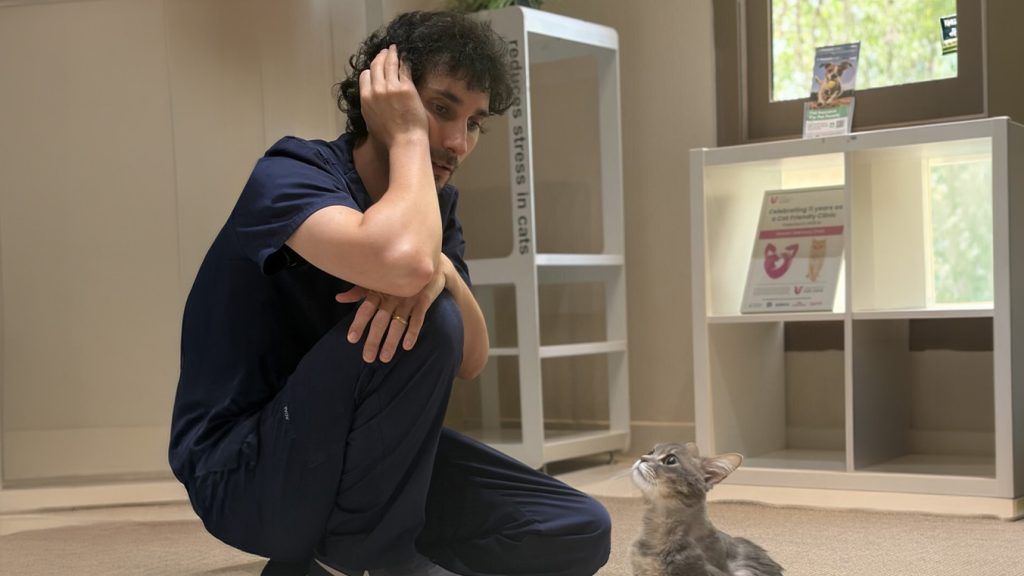
Signs Your Pet Needs a Vet in Summer: Early Warning Signs of Heat Stress and Dehydration
Summer in the UAE can be challenging for pets, and recognising the signs your pet needs a vet in summer can make a critical difference to their health and safety. High temperatures, humidity, and prolonged sun exposure increase the risk of heat stress, dehydration, and even life-threatening heatstroke in both dogs and cats.
While many pets enjoy spending time outdoors, they often cannot regulate their body temperature as effectively as humans. Knowing the early warning signs allows pet owners to act quickly and seek veterinary care before a minor issue becomes an emergency. Understanding what to watch for can help keep your pet safe, comfortable, and healthy throughout the warmer months.
Understanding Heat Stress and Dehydration in Pets
Heat stress occurs when a pet’s body struggles to cool itself effectively. If left untreated, it can progress to heatstroke, a serious medical emergency that can affect multiple organs.
Why Pets Are More Vulnerable in Summer
Unlike humans, dogs primarily cool themselves through panting, while cats rely on grooming and limited sweating through their paw pads. During periods of extreme heat, these natural cooling mechanisms may not be enough.
Certain pets face a higher risk, including:
- Brachycephalic breeds such as Bulldogs, Pugs, and Persian cats
- Senior pets
- Puppies and kittens
- Overweight pets
- Pets with heart or respiratory conditions
Common Causes of Heat Stress
Heat-related illness can develop quickly when pets are exposed to:
- Outdoor exercise during peak temperatures
- Poor ventilation
- Lack of access to fresh water
- Being left in parked vehicles
- Excessive humidity
Early Signs Your Pet Needs a Vet in Summer
Recognising the early warning signs of heat stress can help prevent serious complications.
Excessive Panting and Difficulty Breathing
One of the earliest indicators of overheating is heavy or prolonged panting. While some panting is normal after activity, excessive panting that does not improve after resting in a cool environment may indicate heat stress.
Other breathing-related signs include:
- Rapid breathing
- Noisy breathing
- Increased respiratory effort
- Open-mouth breathing in cats
Increased Thirst and Dry Gums
Dehydration often develops alongside heat stress. Pets may drink more water than usual as their bodies attempt to replace lost fluids.
Watch for:
- Dry or sticky gums
- Sunken eyes
- Reduced skin elasticity
- Increased thirst without improvement
Lethargy and Weakness
A pet that suddenly appears unusually tired, reluctant to move, or weak may be struggling with heat-related illness. Reduced energy levels should never be ignored during periods of extreme weather.
When Heat Stress Becomes an Emergency
Heatstroke can develop rapidly if early symptoms are missed.
Vomiting, Diarrhoea, or Excessive Drooling
As heat stress worsens, the digestive system may become affected. Pets may develop:
- Vomiting
- Diarrhoea
- Excessive drooling
- Loss of appetite
These symptoms often indicate that the body is under significant stress and requires immediate veterinary attention.
Collapse, Disorientation, or Seizures
Advanced heatstroke can affect the brain and nervous system.
Emergency warning signs include:
- Stumbling or unsteady walking
- Confusion or disorientation
- Collapse
- Seizures
- Loss of consciousness
If any of these symptoms occur, seek urgent veterinary care immediately.
How to Help a Pet Showing Signs of Heat Stress
Prompt action can significantly improve outcomes.
Move Your Pet to a Cool Area
Immediately move your pet indoors or into a shaded, well-ventilated area. Encourage them to rest and minimise physical activity.
Offer Cool Water
Provide fresh, cool drinking water but avoid forcing your pet to drink. Small amounts offered frequently are often best.
Begin Safe Cooling Measures
You can help lower body temperature by:
- Applying cool (not ice-cold) water to the paws, abdomen, and chest
- Using fans to improve air circulation
- Offering cool, damp towels for your pet to lie on
Avoid using ice baths or very cold water, as sudden cooling can worsen the situation.
Preventing Heat Stress and Dehydration During Summer
Prevention is always safer than treatment.
Plan Outdoor Activities Carefully
Walk dogs early in the morning or after sunset when temperatures are lower. Always check pavement temperatures before walks, as hot surfaces can cause painful burns.
Ensure Constant Access to Water
Fresh water should be available at all times, both indoors and outdoors. Multiple water stations can encourage pets to drink more frequently.
Schedule Regular Health Checks
Some pets may be more vulnerable to heat-related illness due to underlying health conditions. Regular veterinary examinations can help identify risk factors and ensure your pet remains healthy throughout the year.
Don’t forget routine check ups, vaccinations and preventative care needs to continue during the summer months – if you are concerned about travelling in the heat, consider booking a Homevisit!
For pets that require regular grooming to help maintain comfort during warmer months, visiting a professional veterinary clinic can support their overall wellbeing and coat health.
Conclusion
Knowing the signs your pet needs a vet in summer can help you respond quickly to heat stress and dehydration before they become serious emergencies. Excessive panting, increased thirst, lethargy, vomiting, collapse, and disorientation should never be ignored, particularly during periods of extreme heat.
At German Veterinary Clinic, we encourage pet owners to take a proactive approach to summer safety. Early recognition, prompt intervention, and preventive care are the best ways to protect your pet’s health and wellbeing during the warmer months.
Need advice about keeping your pet safe this summer? Contact German Veterinary Clinic to schedule a health check and ensure your pet is prepared for the season ahead.