
Cat Pain Signs Explained by Veterinarians
Cat pain signs are often subtle, making it difficult for even experienced pet owners to recognise when something is wrong. Unlike dogs, cats instinctively hide discomfort as a survival behaviour, which means pain can go unnoticed until it becomes more serious. At German Veterinary Clinic, we regularly see cats whose signs of pain were missed simply because they were so easy to overlook.
Understanding how cats express discomfort is essential for early intervention, better outcomes, and a more comfortable life for your pet. In this guide, we explain the most common signs of pain in cats, how to recognise them, and when to seek veterinary care.
Behavioural Changes in Cats Experiencing Pain
One of the earliest and most noticeable cat pain signs is a change in behaviour. Cats tend to alter their normal routines when they are uncomfortable, although these changes can be subtle.
Withdrawal and Reduced Interaction
A normally social cat may begin to hide more often, avoid interaction, or spend long periods resting in unusual places. This is often mistaken for mood changes, but it can indicate underlying pain.
Changes in Activity Levels
Cats in pain may:
- Become less active or stop jumping onto favourite surfaces
- Hesitate before climbing stairs or furniture
- Sleep more than usual
These changes are particularly important in older cats, where pain from conditions like arthritis is common.
Physical Signs That May Indicate Pain
Physical changes are another key way to identify cat pain signs, although they can be easy to miss without close observation.
Altered Posture and Movement
Cats in discomfort may:
- Walk stiffly or limp
- Sit in a hunched position
- Show reluctance to move
You might also notice your cat shifting weight or avoiding putting pressure on certain limbs.
Changes in Grooming Habits
Pain can affect grooming behaviour in two ways:
- Overgrooming: licking a painful area excessively, sometimes causing hair loss
- Undergrooming: resulting in a dull, unkempt coat
Both patterns are important indicators that should not be ignored.
Changes in Eating, Drinking, and Litter Box Habits
Subtle shifts in daily habits are often overlooked but can be strong indicators of discomfort.
Reduced Appetite or Difficulty Eating
Cats experiencing pain may:
- Eat less or stop eating altogether
- Drop food while chewing
- Avoid hard food if dental pain is present
A reduced appetite should always be taken seriously, especially in cats.
Litter Box Changes
Pain can also affect toileting behaviour:
- Straining or difficulty urinating/defecating
- Avoiding the litter box
- Accidents outside the box
These signs may indicate pain related to the urinary tract, digestive system, or mobility issues.
Facial Expressions and Subtle Indicators of Pain
Cats communicate discomfort through small facial and body cues that are easy to miss without knowing what to look for.
Changes in Facial Expression
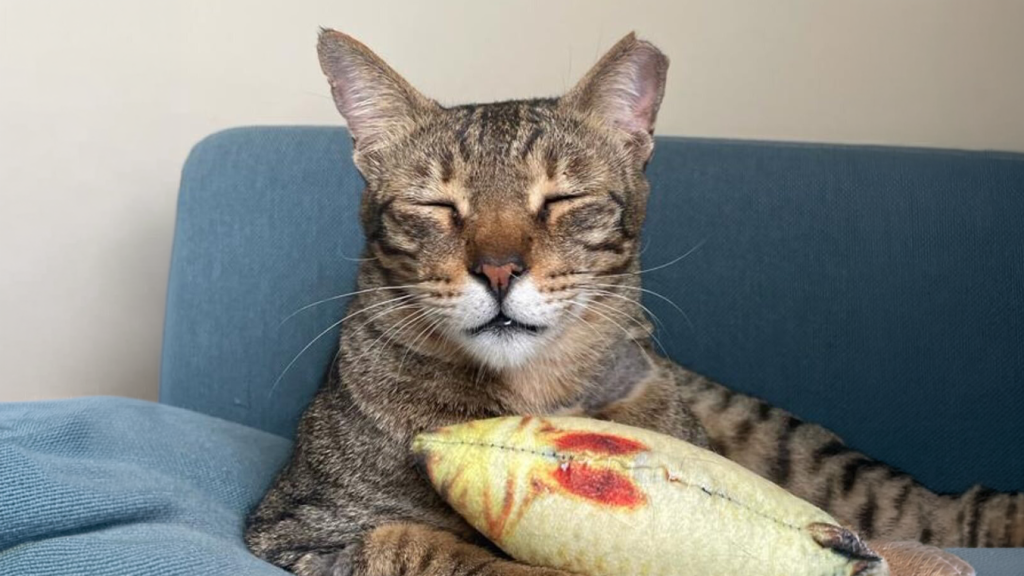
The “feline grimace” can include:
- Squinted or partially closed eyes
- Flattened ears
- Tension around the mouth and whiskers
These subtle changes are now recognised as reliable indicators of pain.
Vocalisation and Sensitivity
Some cats may:
- Meow more than usual or in a different tone
- Growl, hiss, or react when touched
Others may become unusually quiet, which can also signal discomfort.
When to Seek Veterinary Care
Recognising cat pain signs early allows for faster diagnosis and more effective treatment. If you notice any of the changes described above, it is important to seek veterinary advice promptly.
At German Veterinary Clinic, we follow Fear Free and cat-friendly handling approaches to minimise stress during examinations. Pain assessment in cats requires careful observation, gentle handling, and an understanding of feline behaviour, which is why a tailored approach is essential.
If your cat is showing signs of discomfort, exploring appropriate pain relief options for cats with a veterinary team can significantly improve their quality of life.
Conclusion
Cat pain signs are often subtle, but they should never be ignored. Behavioural changes, physical symptoms, altered habits, and facial expressions can all indicate that your cat is experiencing discomfort. Early recognition and veterinary care are key to preventing more serious health issues and ensuring your cat remains comfortable and healthy.
Want to learn more about keeping your cat comfortable and stress-free?
Explore our related guides and resources from German Veterinary Clinic to support your cat’s wellbeing.