
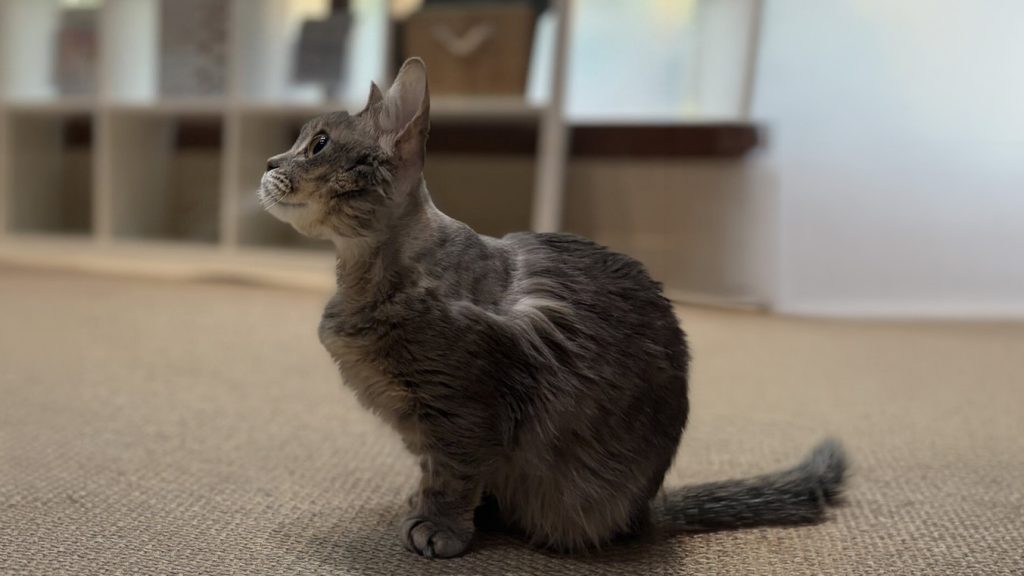
Why Cats Lose Appetite in Hot Weather: Is It Normal or a Concern?
As temperatures rise, many cat owners notice changes in their pet’s eating habits. Why cats lose appetite in hot weather is a common question, especially during the UAE’s long summer months. While a slight decrease in appetite can be a normal response to warmer conditions, it’s important to understand when reduced food intake is expected and when it may signal an underlying health concern.
Cats are naturally sensitive to environmental changes, including temperature fluctuations. In some cases, eating less helps them regulate body temperature and conserve energy. However, a prolonged loss of appetite should never be ignored, as cats can develop serious health complications if they stop eating altogether.
Why Do Cats Eat Less During Hot Weather?
Many cats naturally eat less when temperatures increase. This behaviour is linked to how animals regulate energy and body heat.
Reduced Energy Requirements
Digesting food generates heat within the body. During hot weather, cats may instinctively reduce their food intake to minimise additional heat production. Because they are often less active during the hottest parts of the day, they may also require fewer calories.
Changes in Daily Routine
Cats tend to adapt their behaviour during summer by seeking cooler resting places and sleeping more frequently. This reduced activity level can naturally lead to a temporary decrease in appetite.
Increased Water Consumption
Hot weather often encourages cats to drink more water. While hydration is essential, some cats may feel fuller after increased water intake and show less interest in food throughout the day.
When Is Reduced Appetite Considered Normal?
A mild decrease in food consumption during warmer months is usually not a cause for concern if your cat remains otherwise healthy.
Signs Your Cat Is Coping Well
A temporary reduction in appetite may be considered normal when your cat:
- Continues drinking water regularly
- Maintains a healthy body weight
- Remains alert and responsive
- Uses the litter tray normally
- Continues engaging in normal daily activities
Appetite Returns During Cooler Hours
Many cats prefer eating early in the morning or later in the evening when temperatures are lower. If your cat is still consuming an appropriate amount of food over 24 hours, this pattern may simply reflect seasonal adjustment.
When Should You Be Concerned About Appetite Loss?
While some appetite reduction can be expected, a complete refusal to eat should always be taken seriously.
Cats Should Not Go Without Food
Unlike some other species, cats are particularly vulnerable to a condition called hepatic lipidosis, or fatty liver disease. This potentially life-threatening condition can develop when a cat stops eating for several days, especially if they are overweight.
Watch for Additional Symptoms
Contact a veterinary professional if appetite loss is accompanied by:
- Vomiting or diarrhoea
- Lethargy or weakness
- Weight loss
- Drooling or difficulty eating
- Changes in behaviour
- Signs of dehydration
These symptoms may indicate an underlying illness rather than a simple response to heat.
How to Encourage Your Cat to Eat During Hot Weather
Supporting your cat’s comfort can help maintain a healthy appetite during warmer months.
Offer Meals During Cooler Times
Try feeding your cat early in the morning or later in the evening when temperatures are more comfortable. Many cats are naturally more willing to eat during these cooler periods.
Keep Food Fresh and Appealing
Food can spoil more quickly in hot weather, particularly wet food. Offer smaller portions and remove uneaten food promptly. Slightly warming food can also enhance aroma and encourage eating.
Create a Comfortable Feeding Environment
Place food bowls in a quiet, cool area away from direct sunlight. Reducing environmental stress can help encourage normal eating behaviour.
Support Emotional Wellbeing
Stress can contribute to appetite changes. Cats often feel more secure when their environment remains predictable and calm. Fear Free handling principles and cat-friendly environments can help reduce anxiety and support healthy eating habits.
How German Veterinary Clinic Can Help
If your cat’s appetite changes suddenly or remains reduced for more than a day, a veterinary assessment is recommended. Appetite loss can be linked to dental disease, gastrointestinal disorders, pain, stress, or other medical conditions that require professional attention.
At German Veterinary Clinic, our team understands the unique needs of feline patients. As a Fear Free Certified and ISFM Gold Standard Cat Friendly practice, we focus on reducing stress while providing comprehensive care tailored specifically to cats. If you’re concerned about your pet’s eating habits, our experienced team can help identify the cause and develop an appropriate treatment plan.
Looking for a trusted cat veterinarian? Our feline-focused team is here to support your cat’s health and wellbeing year-round.
Conclusion
Understanding why cats lose appetite in hot weather can help owners distinguish between normal seasonal changes and signs of illness. While many cats naturally eat less during warmer months, they should never stop eating completely. Monitoring their behaviour, hydration, and overall wellbeing is essential.
If your cat’s reduced appetite persists, worsens, or is accompanied by other symptoms, seeking veterinary advice promptly can help prevent serious complications and ensure your feline companion stays healthy throughout the summer.
Want to learn more about feline health and wellbeing? Explore our other cat care articles on the German Veterinary Clinic blog for expert advice from our veterinary team.